The Ultimate Guide to Teaching in Korea
7 minute read

You might think that getting a job in South Korea is elusive, difficult, and confusing. However, I have years of experience and developed a foolproof guide to help you on your life-changing journey. Bookmark, print, or screenshot this page because I'm about to tell you exactly how to be an English teacher in South Korea.
Keep in mind that getting a job will take a bit of waiting. So be patient, breathe, and take it one step at a time.
Requirements
Don’t know where to start? Well, you’re in luck. This is a short list of everything you need to ensure that you are qualified to teach English in Korea.
Citizenship
Be a citizen of an English-speaking country, such as the US, UK, Canada, Australia, New Zealand, Ireland, or South Africa
- Indian citizens are also eligible to teach if they hold a teaching license in English.
- Filipino citizens must possess a Bachelor’s degree in English or a related field AND hold a teaching degree or license from the philippines. In addition, Filipino citizens must also show proficiency in English through a standardized test.
Passport
Have a passport from a designated country with at least 12 months remaining on the expiry date. You may be refused a job or entry if you do not have sufficient time on your passport.
Degree
Must have a minimum of a Bachelor’s degree or a 4-year equivalent degree and be able to provide a notarized copy of your degree verification. There is no specific degree requirement.
Certificates: TESOL/TEFL/CELTA
TESOL, TEFL &CELTA are English as a Second Language certificates. In some cases, they are not necessary; however, it will increase your chances of higher pay. And it will give you the tools to help you teach.
Background Check
Pass a national-level criminal background check with no charges or convictions. (No, speeding tickets do not count.)
Health Check
Pass a health check and drug test. Drugs are a big NO. Take my advice and stay away from anything that will get you in trouble.
Age
You must be under the age of 62. Oddly specific age, I know.
Finding a Job
So, you realize that you are qualified to teach; now you have to find an employer to sponsor your visa. Here are the types of schools you can work for and how you can find them.
EPIK
EPIK is the English Program in Korea that is overseen by the government. They mostly cater to public schools across the nation, and your job hours will be similar to the typical 9 to 5.
The Good
- Job security
- Furnished housing
- Medical insurance
- 18 paid vacation days a year
- Flight reimbursement
- Paid training
The Bad
- You might not be able to choose your city or employer.
Hagwon
Hagwons are private academies that typically operate after school hours. So your working hours might vary but fall in the range of 2 pm to 10 pm. Hagwons are privately funded and can go under at any moment.
The Good
- Competitive pay
- Flexibility: You can choose your city and employer
- Fewer working hours (typically)
- Housing or housing allowance
- Flight reimbursement
The Bad
- Less job security
- Less vacation
- Summer and winter camp (intensive classes that are during public school breaks).
Note: Every school is different, and they may have different benefits and drawbacks. Talk with your employer or recruiter to make sure the school is right for you.
Finding an Employer to Sponsor Your Visa
Now that you have an idea of the different types of schools you can start trying to find a job. There are many job boards that you can search through to find the right one for you. Some postings will be directly from the schools, or they might be using a recruiter. Be sure to pay attention to salary, location, and benefits. Here are a few of my favorite sites.
Paperwork
If you’re finally at this part, that means you got an offer! Do you remember all the requirements? Well, now you need to get the paperwork to PROVE them. Here’s what you need to gather:
- Valid Passport
- Bachelor's Degree (the paper certificate)
- University Transcripts (academic records)
- Criminal Record Check (federal level)
- 6 Official Passport Photos
- Visa Application Approval from the Korean Embassy
- Authentications (apostilles & notarizations). Everything needs to be apostilled and notarized There are many services out there that do both for these exact situations.
Note: You will have to either mail these yourself or have the apostille company mail them to your future employer. You cannot email the paperwork; they must be the original documents and signed in blue ink.
Housing
More than likely, your employer will provide you with an apartment. However, be prepared to buy necessities like towels, cookware, dishes, silverware, and something other than your bed to sit on.
Typically they will provide you with a studio apartment and a bed. In some cases, the apartment will be fully or partially furnished. However, you should ask your employer exactly what is provided. Additionally, be prepared to pay utilities as well. e.g., gas, electricity, WIFI, trash, and water.
Complete Packing List
You’re getting serious now. And you’re so close to packing your bags and hopping on a flight. Let’s go over what essentials you will need for your first few days in a new country. Think of this as a handy packing list.
Money
You will not get paid for at least a month. So, try to bring some savings with you to help buffer your first two months or so. It will also take a couple of days for you to get a bank account. Cash, a travel credit card, or a debit card that is unlocked for travel will help.
eSim
Get an ESIM on arrival. You will not be able to get a cellphone number until a few days in Korea. The ESIM will at least let you get calls, text messages, and some internet until your employer helps you set up.
Clothes
You need clothes. But make sure you pack school-appropriate clothes. If you are not typical Korean size, you will have a hard time finding bras, shoes, and other clothing. The weather can be extremely hot and extremely cold here, so pack to adapt.
Outlet/Voltage Converter
If you don’t come from an EU country, you will need to buy a converter to be able to charge or use your electronics.
Blankets and pillows
Your house will probably not come with either of these.
Toiletries
Hair care, essential skincare, makeup, toothbrush, toothpaste, medication, and deodorant. Koreans just don’t have body odor. Unfair, I know.
Personal items
Photos, cards, or favorite books or games to keep you busy and a little less homesick.
Note for POC: Korea is not as diverse as Western countries. Finding hair products and make-up in your shade will be tough (if not impossible). It will be best to pack extras of your absolute favorite products.
Travel
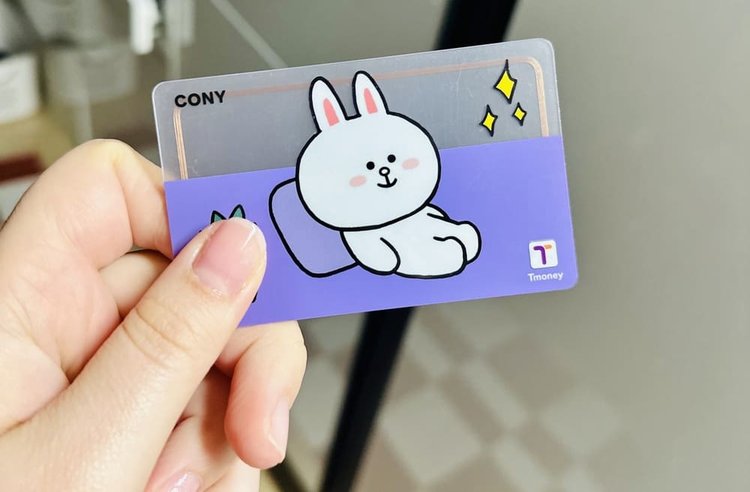
South Korea has an amazing transportation system. Trains, subways, and buses are very cheap, clean, and efficient. So, a T-money card is essential! Be warned that these cards can only be reloaded with cash at a convenience store or a train station. Conveniently, you can also pay for taxis using your T-money card.
You can buy these cards at most convenience stores or stores like ArtBox! Just look for the T-Money symbol on the card.
Travel Apps to Download:
- Naver Maps: Works like Google Maps, has an English setting, and helps you find the optimal route by car, train, or bus.
- Kakao Map: Similar to Naver Maps, but with the handy ability to order a taxi right where you are.
- Kakao Taxi: A quick and easy way to order a taxi to wherever you need to go.
- Kakao Metro: Displays a map and timetable of all the subways and trains in every major city.
- KORAILTALK: These are the express trains that will take you all over the country.
The Job
First and foremost, this is a teaching job. You are coming to South Korea primarily to work. Expect to make lesson plans, deal with children, and be frustrated sometimes. You could be teaching 2 to 5 classes a day with some time to prep and do some administrative work and grading. Also, basic computer skills are a must.
Don't forget to have fun. Kids are goofy, playful, and curious. Do your job, but live in the moment and don’t take yourself too seriously.
Salary
Typical pay is about KRW 2.1–2.6 million per month, or about $1,575–$1,950 USD per month. I've seen much lower and much higher rates, but this is a good average range. If you’re frugal, you can save a bit of money while working here. Even more, so if you come with a spouse or partner. My husband and I are employed by the same company. And since we live together, we get to keep the extra housing allowance.
Community
Whenever I hit a wall, feel hopeless, and a Google search comes up with nothing—my trusty Facebook groups have never let me down. While you may be rolling your eyes at the thought of a Facebook group, don’t dismiss them too quickly. They are perfect gateways to help you feel supported and, most importantly, not alone.
Here are some amazing Facebook groups to join:
Good luck on your new journey! Remember that you have a wonderful community here to support you.





Related posts

The best free websites for lesson prep, games, and activities for English hagwon teachers, with flashcards, worksheets, crafts, and more.

Be prepared for drinks in a Korean business setting. Learn proper etiquette for pouring and receiving drinks, respecting hierarchy, and building stronger connections.

Help uncover salary trends, workplace challenges, and more. Participate in the Expat Job Market Report Survey for a chance to win free chicken.