South Korea in August 2027: Heat, Holidays, and When to Actually Go
3 minute read

August is technically the same season as July, but there's a small shift. The monsoon starts backing off late in the month and the heat reaches its peak before easing. August is expensive, crowded, and hot. The beaches are at absolute capacity. You need to book accomodation on time.
The honest verdict: August is one of the best months for beach season, but it's worse for everything else. First-time visitors should still probably skip it.
Is August a Good Time to Visit South Korea?
Only if beaches are non-negotiable for you. August is peak beach season everywhere in Korea. Haeundae in Busan alone gets 1-2 million visitors over the summer, and a substantial chunk hit in August. If you want guaranteed warm water, crowded social energy, and beach infrastructure in full operation, August delivers that. If you want anything else (hiking, temples, avoiding people), come in September.
The other caveat: make sure you have accommodation locked down before you decide to come. Hotels in Busan's Haeundae area are booked months in advance for August. Trying to find a room a few weeks out is searching for what's left over.
Weather in August
August weather is essentially July with a slight cooling trend at the very end. It's hot first, cooler much later. The humidity pushes the "feels like" temperature a couple degrees higher.
Early August still has monsoon remnants and typhoon season is in full swing. But actual typhoons hitting Korea in August are rare.
Busan
Jeju
Seoul
What to wear: Lightweight fabrics, light colors, waterproof umbrella for the first weeks. Fast-drying clothes matter more as you move between beach and city.
Sunscreen: Essential. SPF 30 minimum, SPF 50 if you're on the beach all day. Reapply constantly, especially if you're in the water.
Public Holidays in August
-
Liberation Day August 15th · Substitute: August 17th
Festivals and Events in August
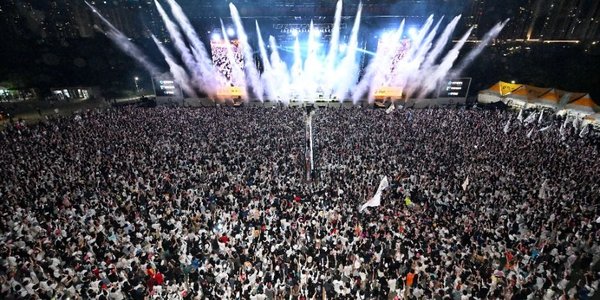
Incheon Pentaport Rock Festival
The Incheon Pentaport Rock Festival is Korea’s premier rock festival. It features performances by world-renowned rock bands as well as talented emerging bands. The festival is highly popular because of its exclusive lineup.
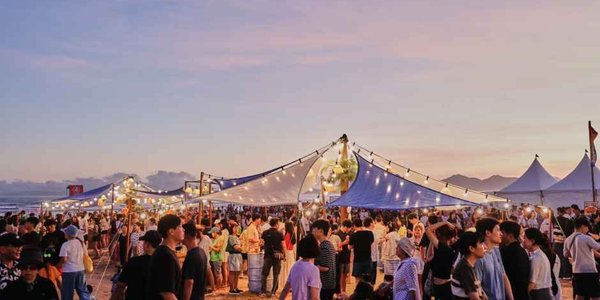
Busan Sea Festival
The Busan Sea Festival takes place at Dadaepo Beach and offers various cultural events and unique hands-on programs.

Seoul Fringe Festival
Seoul Fringe Festival has been held every summer annually since 1998. The festival is open to artists of all genres, from dance to music and media art.
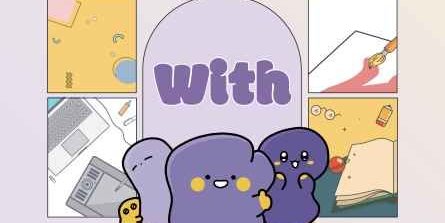
K-Illustration Fair Magok
The K-Illustration Fair Magok takes place at the COEX Magok Exhibition Center, showcasing the influence of illustration on people’s lifestyles in both everyday life and special occasions.
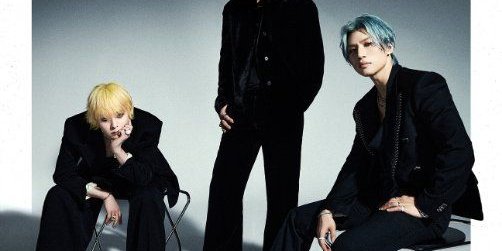
COSMOS BIGBANG 20TH ANNIVERSARY MEDIA EXHIBITION
The COSMOS BIGBANG 20TH ANNIVERSARY MEDIA EXHIBITION is an exhibition that celebrates the 20th anniversary of the group BIGBANG’s debut by presenting their music and activities over the past 20 years through media art.
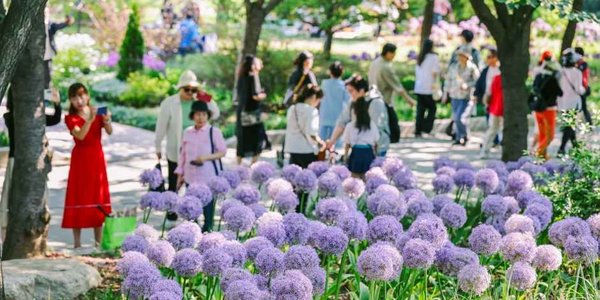
Seoul International Garden Show
The Seoul International Garden Show decorates the area of Seoul Forest with a lineup of various themed gardens created by students, citizens, businesses, and cooperations both domestic and overseas regions.
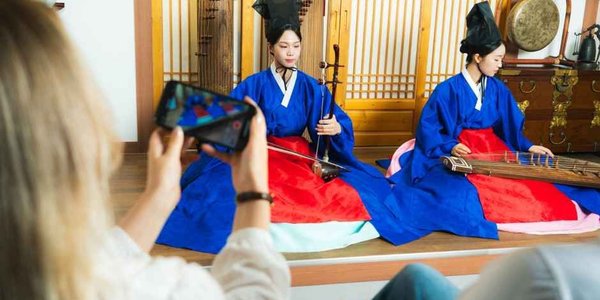
Gugak Performance Jinyeon
The gugak performance “Jinyeon, The Music of the Royal Banquet” offers a unique opportunity to experience the diversity of traditional Korean arts on a single stage.
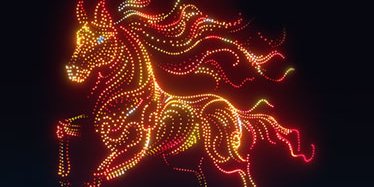
Gwangalli Drone Light Show
Suyeong-gu Office holds the Gwangalli M Drone Light Show on Gwangalli Beach every Saturday as a year-round event, a first of its kinds in the nation.
Where to Go in August
Busan for Beaches
Haeundae is the obvious play. It's the most developed beach infrastructure in Korea, with everything from restaurants to nightclubs to rentals all operating at peak. The downside is that 1-2 million people visit over summer and a huge chunk arrives in August. You will not be alone. Ever. The social scene is great if you want it; suffocating if you don't.
Alternative: Songjeong Beach is 20 minutes away, is smaller and has a small but real surfer community. Water quality is comparable.
Jeju Island
August is expensive but scenic. Jeju's beaches (Hyeopjae, Hamdeok, Gimnyeong) have cleaner water than mainland options and a distinct island atmosphere. Hamdeok has the advantage of being less crowded than the other main beaches. Jeju's summer atmosphere is strong, with weekend trips from Seoul hitting the island constantly, but it's still worth it if you book ahead.
Seasonal Foods: What to Eat in August
August food has two registers: the things that cool you down, and the things Koreans eat specifically because they believe heat-fighting food builds stamina. The seasonal ingredients are watermelon, abalone, and sweet potato shoots.
Watermelon is everywhere in August and the quality is very high. Buy a quarter from a market vendor with a knife, eat it immediately. Do not buy the pre-cut cubes from a convenience store. Watermelon punch is also peak season: a bowl of cold watermelon in sweetened liquid, better than it sounds on a 35-degree day.
Abalone is in season and coastal restaurants serve it several ways. Abalone porridge is slow-cooked rice with abalone, sesame oil, and often the abalone liver, which turns the porridge green. This is a dish with a reputation as expensive recovery food. It is mild, very smooth, and genuinely restorative when you have been outside all day in August heat. On the islands near Jeju and along the south coast, you can watch haenyeo (women divers) bring up the abalone themselves.
Sweet potato shoots are blanched and seasoned as a side dish in August, when the vines are growing. They taste like a lighter version of the sweet potato itself.
Ginseng chicken soup is an August ritual. A small chicken is stuffed with glutinous rice, ginseng, jujube, and garlic, then simmered for hours. It is served boiling hot in the middle of summer. The logic is that eating hot food on hot days equalises your body temperature. Whether or not you believe this, the soup is very good.
Practical Tips for August
Book accommodation early: Hotels in Haeundae are booked months in advance. Budget 50-70% more for beach area hotels than off-season. Seoul and less touristy regions have availability longer.
Transport saturation: KTX (bullet train) to Busan and intercity buses are booked weeks in advance. Consider:
- Flying to Busan (often cheaper than you'd expect, faster)
- Going mid-week instead of weekends (significant difference)
One thing people miss: Late August (after August 20) is actually underrated. Heat breaks, rain decreases, crowds thin out as summer vacation ends. The beaches are still swimmable and less intense. Many people plan to avoid August entirely and miss this sweet spot.
Backup plans for heat: August heat is real. Plan for rest time in air conditioning in the afternoons. Don't try to do a full itinerary. You'll hit a wall. Accept shorter days with longer breaks.
Frequently Asked Questions
About the same or slightly more. Early August (1-15) is peak because of school summer breaks and the mid-month weekend push. Late August (after 20) actually thins out as summer vacation ends. Both months are busy.

Lived in South Korea since 2020. On a F6 residency visa.
![saily-ultra-plan-banners-[en]-300x250-V2](/media/images/xsaily-ultra-plan-banners-en-300x250-V2.original.png.pagespeed.ic.HgpdXZCiY6.jpg)
Related posts

May is the month most people overlook after cherry blossom season, which is exactly why I'd recommend it. The Lotus Lantern Festival alone is worth planning around.

Early June is one of the best times to visit South Korea: warm, green, uncrowded before monsoon arrives. The window to aim for and when to leave.

July in Korea is peak summer: monsoon rains, heat, humidity, and packed beaches. If that sounds fine to you, beach areas are worth it.