South Korea in May 2027: Holidays, Festivals, Weather & More
4 minute read

May is the month where Korea gets everything right. The busy cherry blossom period is finished and summer heat has not arrived yet. The mountains are fully green. The lantern festivals light up the country. And yet somehow, May still gets treated as an afterthought between the blossom crowd and the summer crowd.
Is May a Good Time to Visit South Korea?
Yes, straightforwardly. The weather is close to ideal, the main festivals are genuinely worth attending rather than just Instagram-able, and the crowds are at a manageable level compared to April. The main thing to know going in: there are public holidays in May, and on those specific days, popular spots fill up fast. Plan around them and you're fine.
Weather in May
May in Korea is warm, dry, and mostly cooperative. Earlier in the month it can feel cool in the evenings, so a light jacket is useful for the first two weeks. By the end of May, you won't need it.
Rainfall is light compared to what's coming in June. You'll get occasional showers, not sustained rain. A compact umbrella is worth having, but you're not going to spend your trip sheltering in cafes waiting for it to stop.
Busan
Jeju
Seoul
What to wear: Light layers. T-shirts and light trousers during the day. A cardigan or thin jacket for evenings, especially early in the month. Comfortable walking shoes are more important than anything else. You're going to be outside a lot. If you're hiking, bring proper shoes; Korean trails are rocky and the descent will punish you in sneakers.
Public Holidays in May
-
Workers Day May 1st
-
Children's Day May 5th
-
Buddha's Birthday May 24th · Substitute: May 25th
Festivals and Events in May
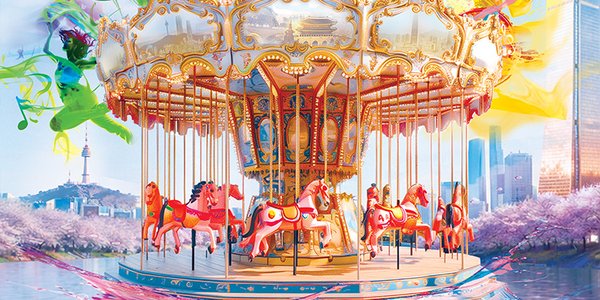
Seoul Spring Festival 2026
Experience Everything from K-Beauty, K-Fashion, and K-Pop to K-Food and K-ArtThe Seoul Spring Festival, the city’s premier cultural and tourism festival,brings Seoul’s latest trends and sensibilities together in one place!This year, the Hangang River becomes our stage!The entire Hangang River area will harmonize into one,creating a massive festival venue that spans acrossthe water and the riverbanks.
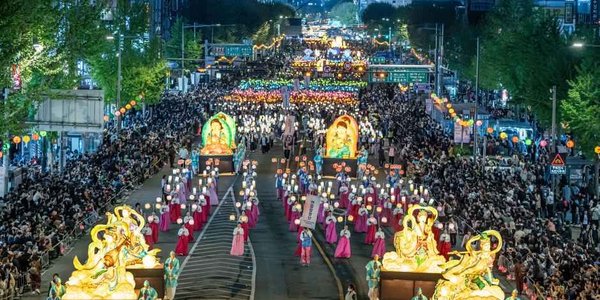
Yeon Deung Hoe (Lotus Lantern Festival)
Started approximately 1,200 years ago during the Silla dynasty and continued through the Goryeo Yeon Deung Hoe and Joseon lantern festival, the Yeon Deung Hoe Festival is a traditional festival registered as an Intangible Cultural Heritage and UNESCO Masterpiece of the Oral and Intangible Heritage of Humanity.
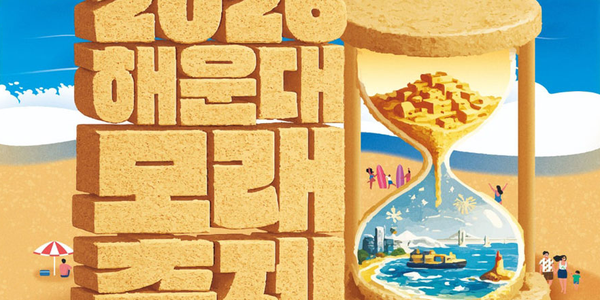
Haeundae Beach Sand Festival
Among Busan's many seasonal attractions, the Haeundae Sand Festival stands out as a favorite for visitors and residents alike.
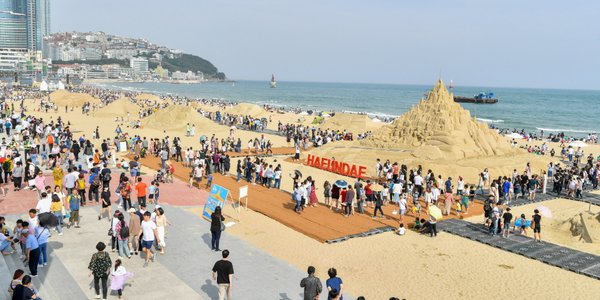
Haeundae Sand Festival
Haeundae Sand Festival takes place at Busan’s beautiful Haeundae Beach, an extremely popular summer vacation spot.
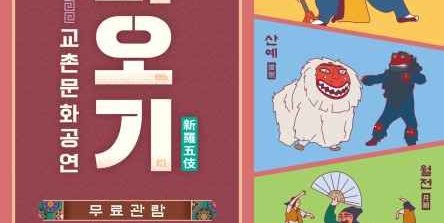
Gyochon Cultural Performance Silla Ogi
After returning from his studies in the Tang dynasty, Silla scholar Choi Chi-won was captivated by a clown troupe performance in Gyeongju’s Gyochon Village and later recorded it in his poetry, “Hyangak Japyeong.” Inspired by this, the Gyochon Cultural Performance “Silla Ogi” reimagines five traditional plays: Geumhwan, Daemyeon, Sanye, Woljeon, and Sokdok.
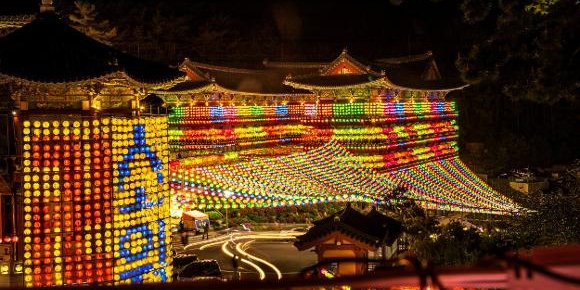
Samgwangsa Lantern Festival
At Samgwangsa Temple, thousands of lotus lanterns glow through the night in celebration of Buddha’s Birthday, illuminating the slopes of Baegyangsan Mountain.
![Busan Old Town Revitalization Festival [Taxchelin]](/media/images/87f240b15b.2e16d0ba.fill-600x300.jpg)
Busan Old Town Revitalization Festival [Taxchelin]
Enjoy the charm of of Busan's old downtown through "Taxchelin!" Taxulain is a combination of taxi and Michelin, and it is a festival where you can enjoy performances, experiences, and tours centered around local hidden gems recommended by veteran taxi drivers with over 10 years of experience.
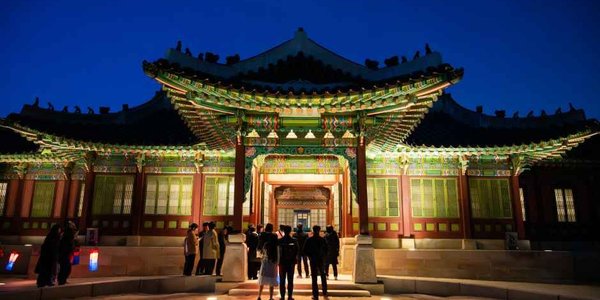
Moonlight Tour at Changdeokgung Palace
The Moonlight Tour at Changdeokgung Palace is a high-quality cultural event held at Changdeokgung Palace, a UNESCO World Heritage. The tour offers a unique opportunity to witness and experience palatial beauty under the moonlight.
Jeju Food and Wine Festival
The Jeju Food & Wine Festival (JFWF), Jeju’s premier gastronomic festival, is a cultural event that showcases the value of Jeju’s local ingredients and culinary heritage to both domestic and international audiences through dishes crafted from the island’s pristine produce.
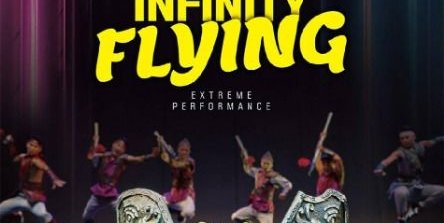
Infinity Flying
“Infinity Flying” is a high-energy, nonverbal performance recognized as one of Korea’s signature shows.
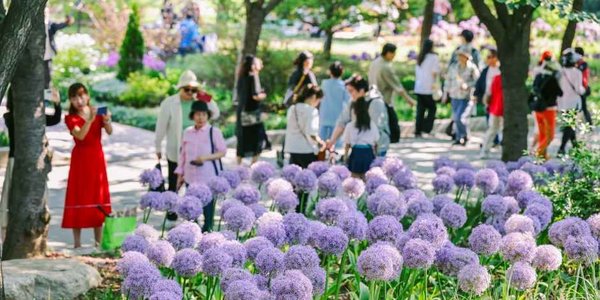
Seoul International Garden Show
The Seoul International Garden Show decorates the area of Seoul Forest with a lineup of various themed gardens created by students, citizens, businesses, and cooperations both domestic and overseas regions.
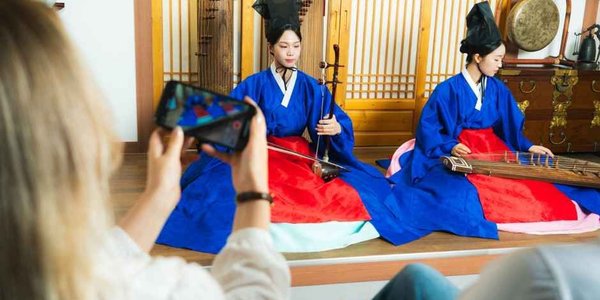
Gugak Performance Jinyeon
The gugak performance “Jinyeon, The Music of the Royal Banquet” offers a unique opportunity to experience the diversity of traditional Korean arts on a single stage.

Gwangalli Drone Light Show
Suyeong-gu Office holds the Gwangalli M Drone Light Show on Gwangalli Beach every Saturday as a year-round event, a first of its kinds in the nation.
Where to go in May
Seoul
May is one of the better months to be in Seoul. The city's parks and palaces are at their greenest, the Lotus Lantern decorations change the atmosphere around the Jongno district in a way that is hard to describe until you've seen it, and the evenings are mild enough to walk for hours without thinking about it. Bukhansan is in excellent condition for hiking and the views over the city are clear before summer haze sets in.
Jirisan and the South
The south of Korea in May is what the travel brochures are trying to describe when they fail. Jirisan National Park has multiple trails that are legitimately spectacular in late May when the high-altitude vegetation is fully out. Namhae Island is another option if you want coastal scenery without Busan's crowds. This is peak season for this region and it earns it.
Gyeongju
Gyeongju is good year-round but May hits a specific balance: the royal tombs and temple ruins are surrounded by green, the light is good for photography, and the accommodation is easier to book than during Chuseok or cherry blossom season. If you've not been, this is a reasonable month for a first visit.
Seasonal Foods: What to Eat in May
May brings three seasonal ingredients: Freshwater eel, Sea squirt, and Korean melon. They are what people eat before summer arrives, partly because Koreans believe certain foods build stamina.
Freshwater eel (장어) grilled over charcoal is one of the cleaner expressions of Korean food. 장어구이 (jangeo-gui) comes to the table in pieces, with garlic and green onion, and you eat it with rice or wrap it in perilla leaves. The skin is charred and crispy; the flesh is fatty and rich. The traditional pairing is eel with 복분자 (bokbunja, Korean blackberry wine or juice), which is sweet and slightly tannic and cuts through the richness in exactly the way you want it to.
Sea squirt (멍게) is one of those ingredients that either converts you or doesn't. It looks alarming and tastes intensely of the sea. In Busan and along the south coast, you can order fresh sea squirt on its own at sashimi restaurants. For me it tasted even worse than it looks.
Korean melon (참외) is yellow, crisp, and sweet in a way that regular melons often aren't. It arrives in markets and fruit stalls from May through early summer. Eat it cold and fresh. It needs nothing added.
If you're heading towards Gwangyang in South Jeolla Province in May, the Gwangyang Plum Festival coincides with the largest plum orchards in Korea coming into harvest. Plum-syrup (매실청) is everywhere in May: stirred into cold water, used as a cooking ingredient, or taken as a digestive. It tastes good and the Koreans have been making it for a long time.
Practical Tips for May
Booking ahead: For the public holiday weekends, book accommodation and KTX tickets at least three to four weeks in advance. The rest of the month, two weeks is fine for most things.
Crowds: Expect significant crowds at popular attractions on Children's Day and Buddha's Birthday itself. Palaces, parks, Lotteworld, Han River: all busy. Go early or pick a quieter day.
Cost: May is not the cheapest month, but it's not peak pricing either. Accommodation in Seoul is moderately priced compared to the cherry blossom window in April. Prices rise slightly around the holiday weekends.
One thing people don't mention: Japanese tourists visiting Korea for Golden Week (April 29 to May 5) do sometimes add to crowds. Nothing dramatic, but worth knowing if you're trying to book a specific hotel around that time.
Frequently Asked Questions
Yes, it's one of the better months to visit. The weather is warm without being hot or humid, the cherry blossom crowds have gone, and the Lotus Lantern Festival is one of the more distinctive events on the Korean calendar.
Mild and mostly dry. Nights are cool in the first half of the month, so bring a light jacket. Rainfall is relatively light compared to June and July, though you'll get occasional showers.

Lived in South Korea since 2020. On a F6 residency visa.
![saily-ultra-plan-banners-[en]-300x250-V2](/media/images/xsaily-ultra-plan-banners-en-300x250-V2.original.png.pagespeed.ic.HgpdXZCiY6.jpg)
Related posts

Continuing where Galmaetgil 9.1 finished. A moderately tough hike on a mountain famous for it's bamboo forest. (Which you completely avoid if you stay on the path lol)

Experience the best of Andong in one day: Jjimdak, Hahoe Village, Confucian Academy & Andong Galbi. Unforgettable sights and flavors await.

Discover W181 Geoje Ocean Stay in Geoje. Enjoy stunning bay views, cozy pool villa suites, and fresh cafe treats. Perfectly located for a relaxing getaway or Geoje adventures.