South Korea in July 2027: Heat, Humidity, Food & More
3 minute read

July in Korea is when summer stops being pleasant and starts being ambitious. It's the month when the monsoon is in full swing, your shirt sticks to your back by 10 a.m. It's not for everyone, but if you're the type who actually enjoys being sweaty and then swimming in the sea afterward, July has a particular energy.
Is July a Good Time to Visit South Korea?
Only if you know what you're getting into. July isn't terrible, but it requires realistic expectations. If you want to beach hop and are OK with crowds and high prices, come. If you're imagining yourself hiking Seoraksan or wandering temple grounds with a camera, save that for September. July demands heat tolerance and a specific activity mindset. Most first-time visitors should skip it.
Weather in July
July weather in Korea is essentially one word: monsoon. The temperature in July is deceiving. The humidity regularly pushes the "feels like" temperature a couple degrees higher.
Expect heavy, sudden showers. Afternoon thunderstorms are routine.
Busan
Jeju
Seoul
What to wear: Lightweight, breathable fabrics only. Cotton and linen are your friends. Light colors reflect heat better. Bring an umbrella. Waterproof bag or backpack liner for your phone and wallet. Flip-flops or sandals that dry quickly.
Sunscreen: Even on rainy days, UV penetrates. SPF 30 minimum, reapply often if you're in the water.
Public Holidays in July
-
Constitution Day July 17th
Festivals and Events in July
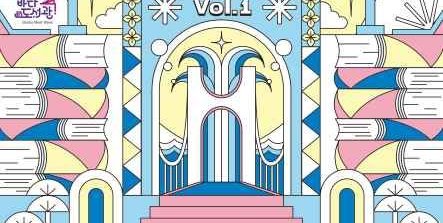
Bibliotheca Busan
Bibliotheca Busan, set against the stunning backdrop of the Busan Sea, is an outdoor festival that blends books, culture, and art.

Busan International Mobility Show
Busan Mobility Festival, the Busan Mobility Show is back with the slogan: "Moving Tomorrow".From Friday, June 26th to Sunday, July 5th you can see the future of various mobility, including domestic and foreign finished cars, at BEXCO, Busan.

N Seoul Tower Global Night Walk
The N Seoul Tower Night Walk is a nighttime walking event that begins at Baekbeom Square and continues through the Seoul Education Research & Information Institute, Samsuni Stairs, Waryongmyo Shrine, Seokhojeong Pavilion, and the southern access road, before reaching N Seoul Tower Plaza.
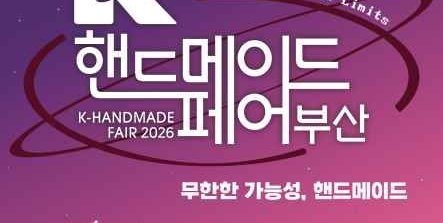
K-Handmade Fair Busan
The K-Handmade Fair serves as a platform for exchange between creators and consumers. It is also a space where visitors can explore the market trends and sustainability of creator brands.
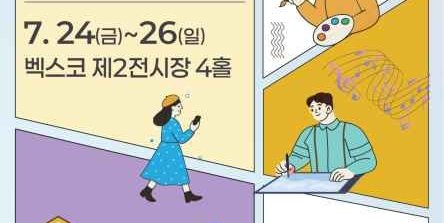
K-Illustration Fair Busan
The K-Illustration Fair takes place in BEXCO in Busan. The event exhibits illustration in a way that offers an inspiration to visitors' everyday life.
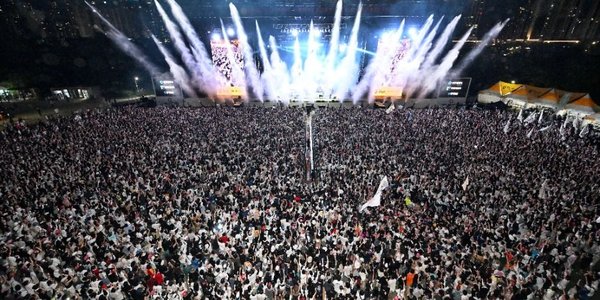
Incheon Pentaport Rock Festival
The Incheon Pentaport Rock Festival is Korea’s premier rock festival. It features performances by world-renowned rock bands as well as talented emerging bands. The festival is highly popular because of its exclusive lineup.
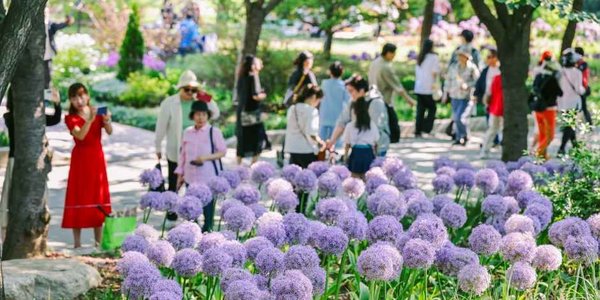
Seoul International Garden Show
The Seoul International Garden Show decorates the area of Seoul Forest with a lineup of various themed gardens created by students, citizens, businesses, and cooperations both domestic and overseas regions.
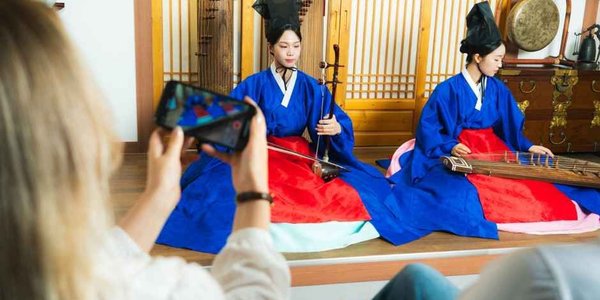
Gugak Performance Jinyeon
The gugak performance “Jinyeon, The Music of the Royal Banquet” offers a unique opportunity to experience the diversity of traditional Korean arts on a single stage.

Gwangalli Drone Light Show
Suyeong-gu Office holds the Gwangalli M Drone Light Show on Gwangalli Beach every Saturday as a year-round event, a first of its kinds in the nation.
Where to Go in July
The Beaches (Busan, Jeju, and Surrounding Areas
This is the obvious call. Haeundae in Busan is peak capacity, which means either incredible energy or absolute chaos depending on your perspective. Jeju is expensive but offers the most scenic option. If you're flying from Seoul to the coast, budget extra time for summer traffic on the way back.
Seoul
If you're not beach-bound, stay in Seoul and embrace Han River season. At night the parks fill up with locals bringing food, drinks, and friends. It's genuinely one of the best social environments in the city during summer. During daytime it's too hot and most people will stay inside.
Seasonal Foods: What to Eat in July
July food is shaped entirely by the heat. Korean food culture has a specific approach to summer eating that takes some getting used to: the idea that fighting heat with heat works better than avoiding it. This is why Ginseng Chicken Soup (Samgyetang) is a July and August ritual, eaten on the hottest days of the year.
The seasonal produce is straightforward: Peach, corn, tomato are all at their best in July. Korean peaches are genuinely excellent and worth buying from a market stall. The corn is usually roasted or boiled and sold as street food, and it is sweet enough that adding nothing to it is correct.
Chilled watermelon punch is the July dessert/drink: chunks of watermelon in sweetened water or cider. Every cafe sells watermelon drinks from July.
Bingsu (shaved ice) reaches its peak in July. Modern Korean bingsu is elaborate: shaved milk ice with red bean, condensed milk, fruit, and various toppings. The Sulbing chain is everywhere and consistent. But smaller cafes do seasonal versions that are better. July mango bingsu and strawberry bingsu are both worth going out of your way for.
Practical Tips for July
Book accommodation early: If you're planning beach trips for specific dates. Book well in advance. Prices are noticably higher than April or May.
Transportation: Buy KTX tickets or flights early. The highways heading to Busan and beyond get congested, especially weekends. Night buses are less crowded than day buses.
One thing people miss: The heat changes how you experience places. That 40-minute hiking trail becomes punishing. The temple you wanted to visit at sunset is a furnace. Plan for shorter, water-based activities. Accept that afternoons might be rest time in an air-conditioned space.
Backup plan: Have indoor options ready. Rainy days aren't rare. Wet clothes, soggy shoes, and sudden downpours are part of July. Embrace it or keep dry cafes in mind.
Frequently Asked Questions
Lightweight clothing (cotton, linen), a real waterproof umbrella, waterproof bag for electronics, fast-drying flip-flops or sandals, and high SPF sunscreen. Shorts and t-shirts are standard. One light long-sleeve shirt helps with sun and overzealous restaurant air conditioning.
July is peak pricing. Hotel rates in beach areas (especially Busan's Haeundae) are 40-60% higher than off-season. Food prices don't change much, but restaurants in tourist areas inflate. Local transportation (buses, trains) is the same.
Yes. Designated swimming areas are monitored and water quality is checked. Rip currents aren't common here. Stinging jellyfish exist but are rare in July beaches. And in tourist area's they will hunt them down.

Lived in South Korea since 2020. On a F6 residency visa.
![saily-ultra-plan-banners-[en]-300x250-V2](/media/images/xsaily-ultra-plan-banners-en-300x250-V2.original.png.pagespeed.ic.HgpdXZCiY6.jpg)
Related posts

Experience the best of Andong in one day: Jjimdak, Hahoe Village, Confucian Academy & Andong Galbi. Unforgettable sights and flavors await.

The Busan Bada Marathon is an annual running event at the end of October that brings runners from all over Busan together. It’s one of the few times each year you’re able to cross Gwangan Bridge

Busan rewards different kinds of trips depending on the month. Beach season, BIFF, cherry blossoms, and why winter here is much easier than in Seoul.