South Korea in June 2027: Festivals, Weather, Food & More
3 minute read

Most travel guides skip June and jump straight from spring to summer. I've lived through enough Junes in Korea to know: if you're flexible with timing and want to experience the country without fighting crowds, June is a great time to visit.
The catch: monsoon season begins mid-to-late June, bringing rain and humidity. But if you know how to navigate that, June becomes the perfect window.
Is June a Good Time to Visit South Korea?
Yes, but with a specific window. Early June (June 1-15) has some of the best weather of the entire year. Temperatures are warm without being hot. Humidity is low.
Late June (June 20-30) the weather becomes unpredictable, attractions get crowded with school groups (because it's the start of Korean summer holidays), and outdoor exploration becomes a gamble.
Weather in June
June in Korea is warm enough to feel like summer, but cool enough that walking around for hours doesn't drain you. There's almost no humidity until late June, so sweat doesn't just coat your body within minutes of stepping outside.
Late June is when things shift. Temperatures climb, and more importantly, humidity starts rising as the monsoon season approaches.
Afternoons can bring sudden showers. The rain is usually just an hour or two, but it's wet enough that you'll need to abandon your outdoor plans.
Busan
Jeju
Seoul
What to wear: Light layers. T-shirts and shorts or light trousers. Pack layers even though it's warm, because entering an over-air-conditioned building can be a temperature shock.
Public Holidays in June
-
Memorial Day June 6th
Festivals and Events in June
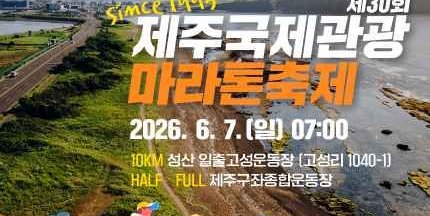
Jeju International Tourism Marathon Festival
The Jeju International Tourism Marathon Festival, which began in 1995, is the first citizen-participation marathon in Korea that allows the general public to participate.
Jeju Food and Wine Festival
The Jeju Food & Wine Festival (JFWF), Jeju’s premier gastronomic festival, is a cultural event that showcases the value of Jeju’s local ingredients and culinary heritage to both domestic and international audiences through dishes crafted from the island’s pristine produce.
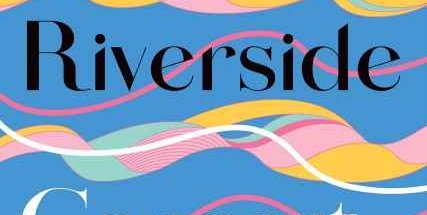
Seoul Philharmonic Orchestra Riverside Concert
To mark its 65th anniversary, the Seoul Philharmonic Orchestra presents the “2026 Seoul Riverside Concert with the Federation of Korean Industries” on June 13 at Yeouido Hangang Park.
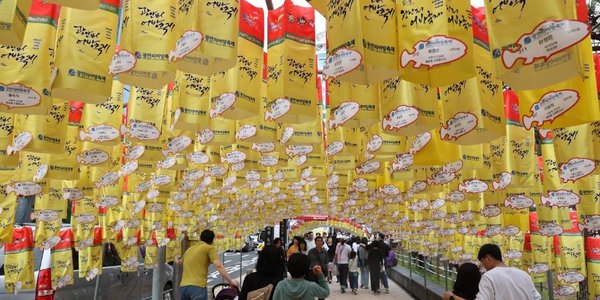
Gwangalli Eobang Festival
The Gwangalli Eobang Festival, held on the famous Gwangalli Beach, known for its fireworks and drone shows, aims to showcase Gwangalli‘s rich history beyond its popularity as a tourist destination.
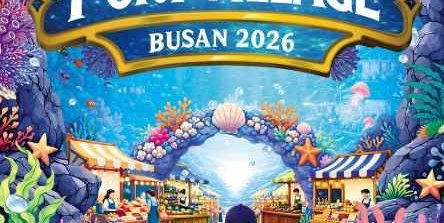
Port Village Busan
Port Village Busan takes place at Pier 1 of Busan Port, transforming a 4,300-pyeong site (approximately 14,200 ㎡) into a unique underwater-themed village.

Busan Food Film Festa
The Busan Food Film Festa is a unique cultural event that brings together film and food through a diverse range of programs and experiences. It offers an engaging platform where cinematic storytelling and culinary culture intersect.

Infinity Flying
“Infinity Flying” is a high-energy, nonverbal performance recognized as one of Korea’s signature shows.
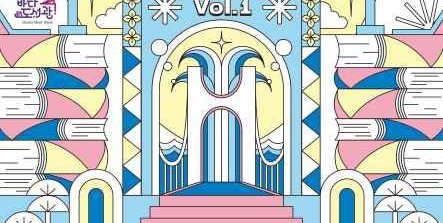
Bibliotheca Busan
Bibliotheca Busan, set against the stunning backdrop of the Busan Sea, is an outdoor festival that blends books, culture, and art.

Busan International Mobility Show
Busan Mobility Festival, the Busan Mobility Show is back with the slogan: "Moving Tomorrow".From Friday, June 26th to Sunday, July 5th you can see the future of various mobility, including domestic and foreign finished cars, at BEXCO, Busan.

N Seoul Tower Global Night Walk
The N Seoul Tower Night Walk is a nighttime walking event that begins at Baekbeom Square and continues through the Seoul Education Research & Information Institute, Samsuni Stairs, Waryongmyo Shrine, Seokhojeong Pavilion, and the southern access road, before reaching N Seoul Tower Plaza.
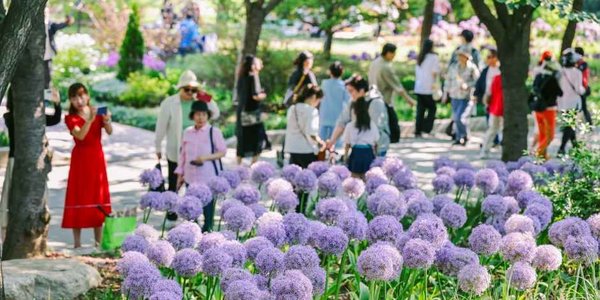
Seoul International Garden Show
The Seoul International Garden Show decorates the area of Seoul Forest with a lineup of various themed gardens created by students, citizens, businesses, and cooperations both domestic and overseas regions.
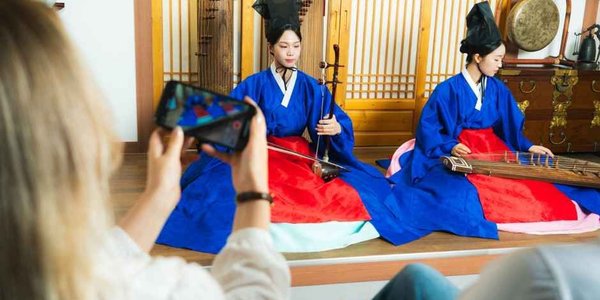
Gugak Performance Jinyeon
The gugak performance “Jinyeon, The Music of the Royal Banquet” offers a unique opportunity to experience the diversity of traditional Korean arts on a single stage.

Gwangalli Drone Light Show
Suyeong-gu Office holds the Gwangalli M Drone Light Show on Gwangalli Beach every Saturday as a year-round event, a first of its kinds in the nation.
Where to go in June
Seoul
June is honestly the best time to visit Seoul if you care about actually experiencing the city rather than being part of a crowd. Major attractions like Gyeongbokgung, Changdeokgung, and Myeongdong are noticeably less packed than spring or fall. The Han River becomes a genuine social space in June. The cycling paths, parks, and riverside cafes are pleasant without being overwhelming.
Jeju Island
Jeju in early June is one of my favorite times to be there. The weather is nearly perfect. The beaches are relatively empty compared to July and August. The island hasn't hit peak summer season, so prices are still reasonable.
Busan
Busan's beaches are manageable in early June. You can visit Haeundae or Gwangalli Beach without it being shoulder-to-shoulder with swimmers. The water is cool but swimmable for people who don't mind it. The waterfront cafes are bustling.
Seasonal Foods: What to Eat in June
June is the last month before summer heat takes over the food agenda, and the seasonal ingredients reflect that transition: Plum, potato, and cucumber are all at their best, and the food starts shifting toward lighter and cooler preparations.
Plum syrup is a June staple. Families and restaurants make it by packing green plums with sugar and letting them ferment for weeks. The resulting syrup is mixed with cold water as a drink.
Potatoes are smaller, sweeter, and more delicate than the stored potatoes you get the rest of the year. Potato pancake made with grated new potatoes and pan-fried in oil is one of the dishes you should try during this period.
Cold soybean noodle soup is the early summer food that many non-Koreans miss because it looks unusual. Cold soybean milk is poured over thin white noodles. You season it yourself with salt or sugar. It tastes clean and cold and filling, which is exactly what you want when the humidity arrives.
Practical Tips for June
Book Early June
If you want the best experience, target June 1-15. After June 20, the monsoon becomes a real factor. Early June has more availability than April or May, but it's not unlimited.
Skip the School Holiday Rush
Korean summer holidays start around June 20-25 depending on the school. If you're visiting after that date, you'll notice significantly more school groups at attractions, more families at restaurants, and more people in general. If you want quiet, finish your trip by June 20.
Frequently Asked Questions
Early June (June 1-15) has minimal monsoon impact. You might get a shower or two, but it's not predictable or heavy. Late June (June 20-30) is when monsoon becomes a real factor. Afternoon rain is common, and planning outdoor activities becomes less reliable.
The water is cool but swimmable for people without extreme cold sensitivity. Beaches are less crowded in June than July and August, which is the main advantage.

Lived in South Korea since 2020. On a F6 residency visa.
![saily-ultra-plan-banners-[en]-300x250-V2](/media/images/saily-ultra-plan-banners-en-300x250-V2.original.png)
Related posts

The Haeundae Sand Festival, held annually in Busan, Korea, has evolved into one of the world's largest sand sculpture events. Admire classic and modern art masterpieces recreated in sand.

Find the best eSIMs for Korea in 2026. Compare different providers for speed, price, and features. Perfect for tourists, expats, and digital nomads.

May is the month most people overlook after cherry blossom season, which is exactly why I'd recommend it. The Lotus Lantern Festival alone is worth planning around.